
POLYMER CLAY AND COLD PORCELAIN
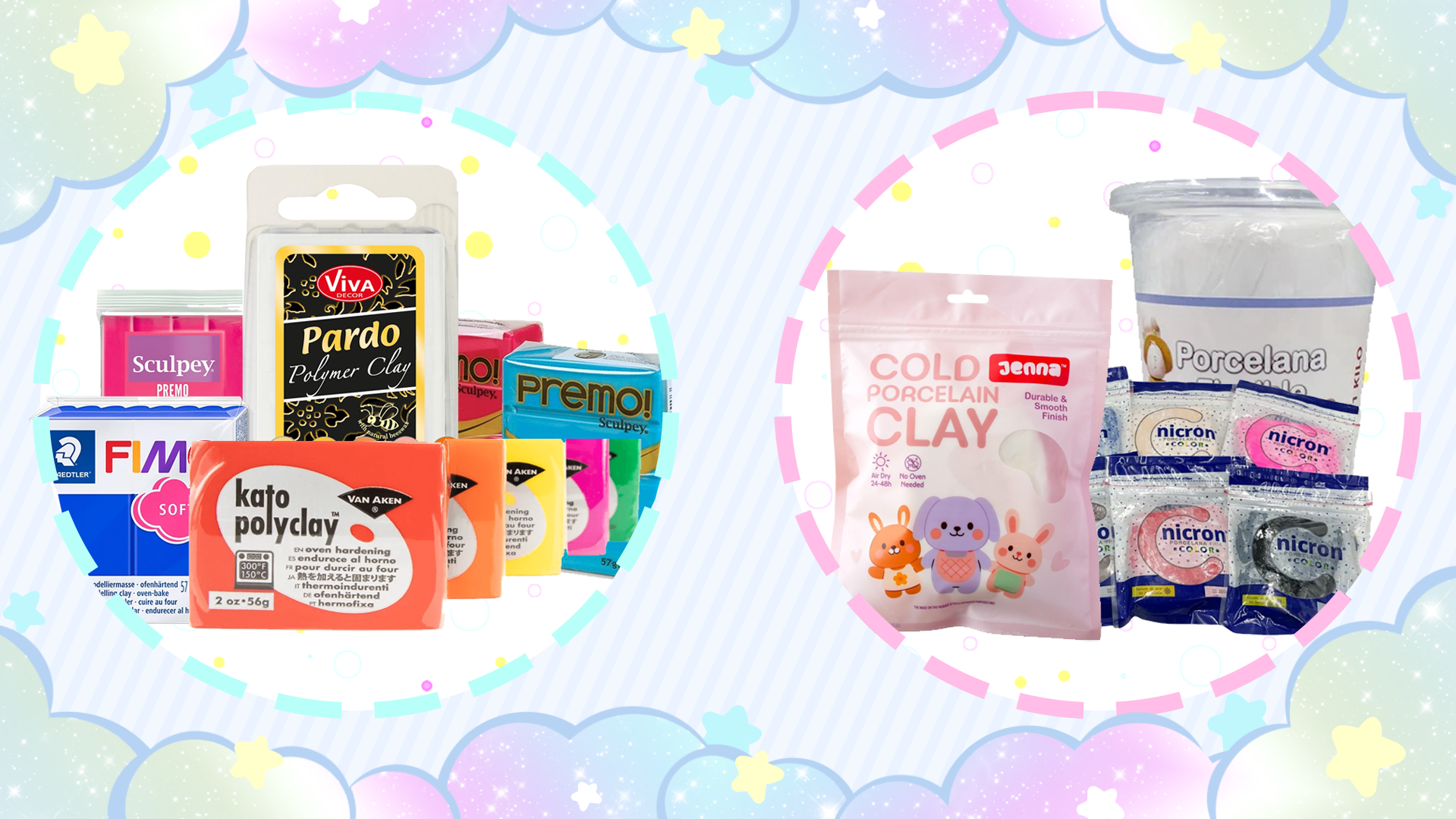
If you love creating with your hands, shaping mini worlds, or bringing your own pieces to life, you’ve probably heard about polymer clay and cold porcelain. When I started in this world, I was really confused about which one to use, so today I want to tell you about their differences and advantages 💕.

🌼 Polymer Clay
Polymer clay is a synthetic plastic paste made of polymers (PVC or PVC copolymers) that hardens in the oven (at low temperature). It’s ready to use, comes in many colors, and is perfect for making miniatures, jewelry or charms.
Common brands: Fimo, Sculpey, Premo (commercial examples)..
What I love the most
- Once baked, it becomes durable, flexible, and water resistant.
- It doesn’t attract pests or mold (since it’s a plastic, non-organic material).
- Allows super clean finishes: you can sand, polish, and varnish it.
- Beautiful colors, from pastel tones to metallic or translucent ones.
Things to keep in mind
- Needs an oven to harden (no microwaves).
- If overbaked, it may smell odd and release toxic fumes (use a thermometer and follow the exact baking time).
- It’s a bit heavier and more expensive than cold porcelain.
🌼 Cold Porcelain
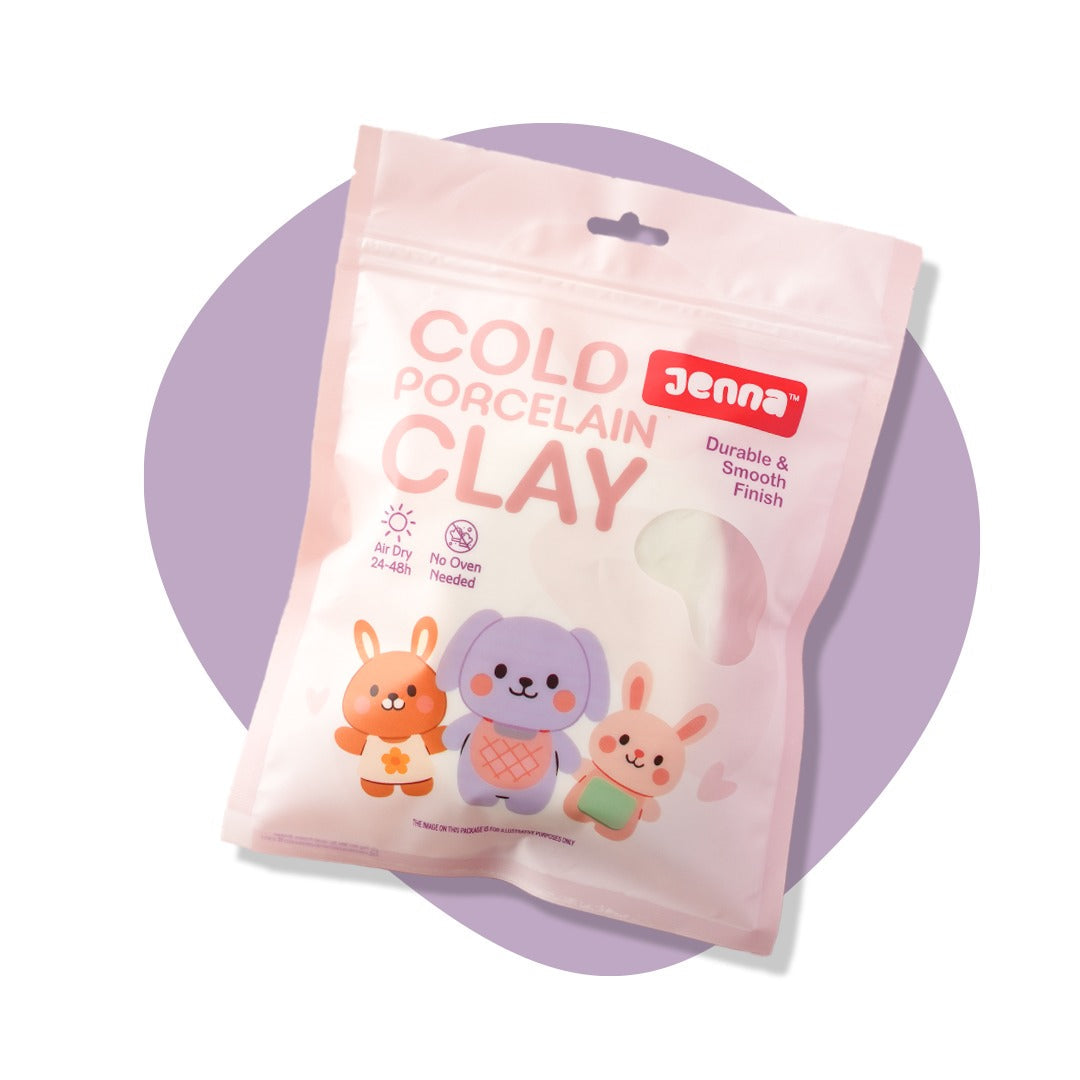
Cold porcelain, on the other hand, is a dough that air dries (no oven needed). It’s made with white glue, cornstarch, and glycerin yes, the same ingredients you might already have at home.
What’s lovely about it
- Soft to the touch and easy to shape.
- No oven or special tools required.
- Ideal for large and lightweight pieces.
- If you like painting, it works beautifully with acrylics.
Things to be careful with
- It’s sensitive to water and humidity (must be sealed).
- May crack if it dries too fast or without protection.
- And beware: since it contains starch, if not sealed it may attract ants or mold over time.

Why can cold porcelain attract pests?
Because it contains starch, which is an organic ingredient. If the piece is left unvarnished or you store uncooked dough, insects (like ants) might be tempted. Mold may also appear if the environment is humid.
If you use a commercial dough, most already include preservatives, so you won’t have this issue.
On the other hand, polymer claY…
It’s completely synthetic, with no ingredients that attract pests or fungi. Once baked, it becomes waterproof, firm, and durable. You can clean it with a damp cloth without damage and keep pieces for years (yes, years!) without losing color or shape.
Quick Comparison
| Feature | Polymer Clay | Cold Porcelain |
|---|---|---|
| Curing | Baked (110–130 °C) | Air dries |
| Composition | Synthetic (PVC) | Organic (starch + white glue) |
| Water resistance | High | Medium (needs sealing) |
| Pest attraction | No | Possible if unsealed |
| Durability | High | Medium |
| Texture | Firm and plastic | Soft and silky |
| Weight | Heavier | Lightweight |
💬 In summary
Both are wonderful — it depends on what you’re looking for:
- If you want durable, shiny, and resistant pieces: go for polymer clay.
- If you prefer soft textures, matte finish, and working without an oven: cold porcelain is your best choice.
I personally use polymer clay for jewelry and miniatures — because it stands the test of time and I don’t have to worry about humidity.